About me
Elevator pitch 20 -30 seconds
The Crab Bucket Effect part 1
I have written a comprehansive jounrey of himself being on the High Functioning Autisitc Spectrum.Upon how is naivigated the Working Holiday Visa and the challenges faced along the way. It's aimed at the post 16 audience upwards and written in an authentic way.
What make this manuscript stand out from the general backpacking books is that I've included, not the Autism part of it. But a memior of the landscapes, contriversal subjects such as racism and jouralism that is aimed to profit the companies. And the work assignments in details with local knowledge. It's also got the thrill seeking elements of the adventours backpacking stories as well under unpridictable circumstances.
Introduce the main protagonist
The pretagoist is himself and the way he navigated environments that were challenging. And being resilliant when the going gets tough.
Where and when is it set
The theme was set in Australia on a WHV
Highlight the main actions and emotional highs and lows
The Highs were living unique adventures that Neurotypical may find hard to understand once I reveal the stories
The Lows often feeling inadecrate in society and coming to terms regarding self improvement does not necessaryily change the way people interact with you.
A Fish Out of water
| Chapters | Words |
|---|---|
| CV's and Breakdowns Costs to go in book 1 | 1,093 |
| CHAPTER 1 Misconceptions | 3,016 |
| Chapter 2 Character | 6,813 |
| Chapter 3 Sydney | 8,994 |
| Chapter 4 Mildura | 6,640 |
| Chapter 5 Melbourne | 11,502 |
| Tiny Tina’s, UK Version Kleeneze (Interupped | 0 |
| CHAPTER 6 Tasmania | 16,850 |
| CHAPTER 7 HIT THE ROAD JACK | 3,3630 |
| CHAPTER 8 Adelaide | 5,610 |
| CHAPTER 9 THE HIPPIE TRAIL | 9,484 |
| CHAPTER 10 Perth | 8,707 |
| CHAPTER 11 GREYHOUNDING UP THE WEST COAST | 6,081 |
| CHAPTER 12 BROOM’S LAST RESORT | 11,085 |
| CHAPTER 13 THE END OF THE ERA | 1,872 |
| TOTAL | 101,368 |
CV's and Breakdowns Costs to go in book 1
How much I spent and CV's leading up to South America
It is posible to turn your life around if you left school with no qualifications

Book Cover
A Fish Out of Water
By Gavin Waterman
Introduction
Fits 1 page of microsoft word
Words 377 at font 12 Times New Roman
Turning aged 30 in a few weeks. It was a now or never affair. Travel to Australia on a WHV or face indestructible roadblocks. ‘So I planned, ‘The Great Escape in neurodivergent style’.
Being diagnosed with High Functioning and going to special school proved challenging. And was subjected to the hostile stereotyping of being socially indifferent to mainstream society, resulting into a CEO of invisibility.
Endless hours of Hermeticism became dedicated practice. Drawing my own ideologies and mock attempts to understand neurotypical invisibility of why society functions blindly, and treads carefully over sensitive topics. including racism, politics, environmental policies, wars, the indoctrination system and conspiracy.
Touching down in Sydney with puffed up ego of wanting a successful career in the leisure industry ended abruptly, as reality struck hard. Which meant seeking out unskilled work on the pulse. And having to endure the immaturity of backpacker persona. To add humour, insights into facetious UK references and Independence Day one voyeurs.
The journey throughout was quirky like a musician thinking he has mastered a new style of music ahead of its time, like psychedelic experimentalism of the 1960’s. Each twist and turn which at the time were insufficient; emboldened me to pursue more adventures into future solo travelling missions. Mirroring towards new bucket lists with accounts ahead of time.
Up and down whirlwind adventures: from documenting the landscapes, work assignments and researching the locations, after being filled in with stories of local knowledge which may have your hair stand upwards like early cartoon aminations. Or dismiss them entirely.
Turning points with low funds, being stuck as a Last Resort with conflicts, such threats to my wellbeing from a circular Mauy Thai Kick to my head other unsavory encounters. Almost bitten by a stray dog, walking into a brothel accidently to try to sell prostitutes diaries, lying to Aotearoal Officials to do the Milford Sound in the winter without proper equipment, working in gulag conditions with an injured foot healing, only touching the surface.
Returning back to the UK had its hurdles with being rushed to hospital with a life-threatening illness, the workplace transitioning working as a lifeguard and family dynamics like same but different. Still existing as being misunderstood whist building upon my travel funds for a future publication.
The other book is the adventures missed from the last one with a South Asian vibe from revisiting Thailand and New Zealand.
My original Writing
Why I used AI?
I have not used AI in my manuscript and believe the majority of my work is original and written by himself. Occassionaly, I used google to do some research on Fremantle Prison and Samual Bakewell the Horse Rider who won prices in the Melbourne Cup; in the book A Fish Out of Water.
And in 2nd Book, 'Under the Iceberg'. I have written briefly about Mauy Thai.
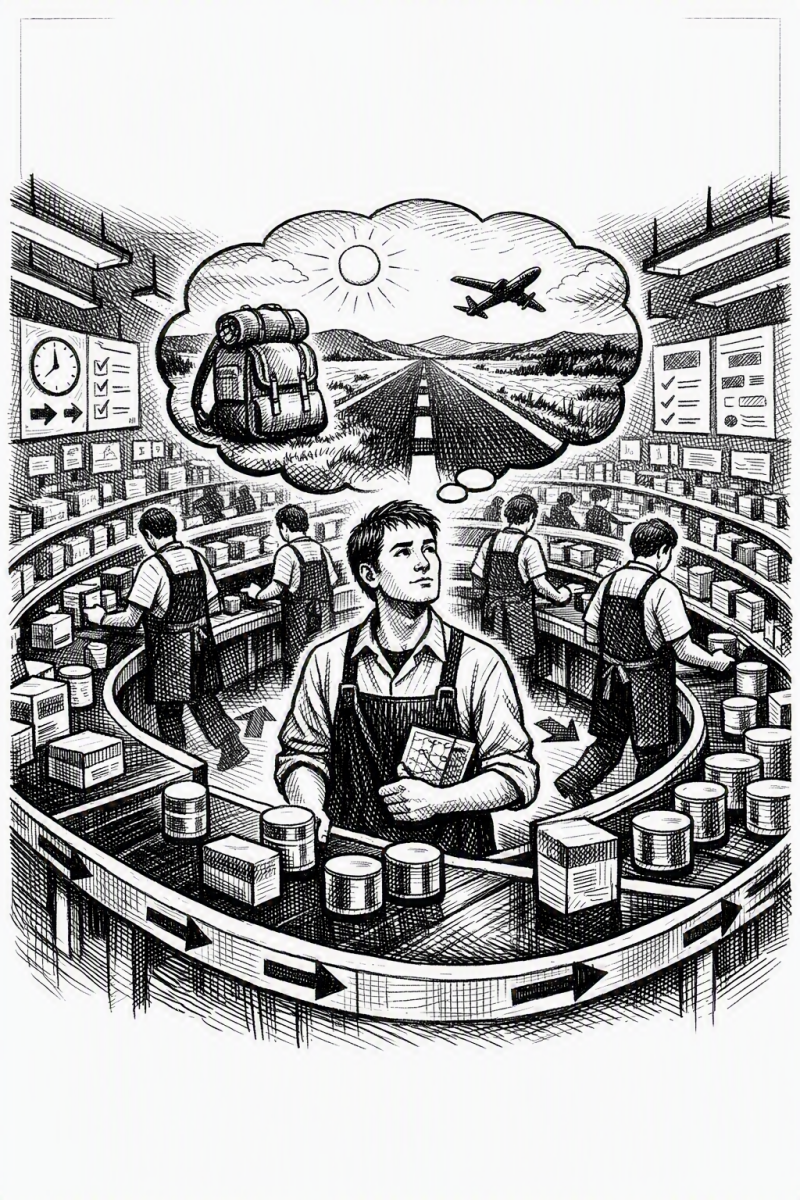
I have used AI generated text as a means of trying to get to my points across towards the Neurotypcal Reader. As from repeated classroom experience. The teachers referencing that some of my content is difficult to read.
Chapter 1. Misconceptions.
AI Generated
I found myself turning corners, repeatedly facing brick walls that triggered my instinctive survival strategies. Long before I ever acted on them, my mind would drift to Australia—a distant possibility that felt like buying a lottery ticket and imagining the day it finally paid off. A vision of an easier, freer life. The key, I believed, was to keep my ideas to myself until circumstances, or other people, unknowingly exposed them first.
My journey was much like a British summer. It began cold, grey, and unpromising before suddenly bursting into warmth, making the long wait worthwhile. During that time, I quietly went rogue in one workplace while remaining well respected in another. Rather than standing still, I armed myself with every skill I could add to my CV and began drawing up my own plans instead of relying on a system that seemed determined to hold me back.
I became my own tactician, driven by resilience and persistence. Instead of chasing the traditional corporate path, I invested in practical qualifications. I became a qualified assistant swimming teacher and earned my Class 2 HGV licence. At the time, these decisions felt like acts of desperation as I neared the end of my tether, but they would later become valuable assets.
Throughout it all, I found myself tiptoeing across fragile eggshells, navigating prejudice and indifference in both the workplace and education. Too often, I felt people viewed me through the lens of my past rather than my potential. It always seemed to require extra effort just to earn the same certification or recognition as everyone else. More often than not, my contributions were overlooked or dismissed.
Eventually, those repeated obstacles awakened a rebellious side of me. I was never looking for trouble, but conflict became an unexpected teacher. Company disciplinary hearings, intended as punishment, became free training in workplace procedures, negotiation, and resilience—an education that strengthened my position for the future. My silent act of defiance became a metaphorical middle-finger salute, fueled by the feeling that I had nothing left to lose.
Then, towards the end, the bluffs began to backfire. Workplace dynamics shifted in ways that caught workcolleagues completely off guard. That company suddenly launched a recruitment drive after years of insisting that staff cuts were the only option. Meanwhile, at another employer, I found myself genuinely valued. I was encouraged not to burn bridges because people recognised both my contribution and the consequences of losing experienced staff.
Looking back, those years were never simply about surviving difficult workplaces. They were about quietly building resilience, collecting skills, and learning how to outgrow environments that underestimated me. Every setback became another piece of armour, and every qualification became another step towards shaping my own future rather than waiting for someone else to decide it.
This is own own original text without using AI. This is how I write in general. Also, I'm fully aware that himself, despite doing repeat edits, that I need a fresh pair of eyes upon my work. It's beening to invested in the story at my end.
Chapter 1. Misconceptions.
Words 287 at font 12 Times New Roman
Turning corners. I'm facing brick walls with my instinctive strategies kicking in. And begun daydreaming of Australia long before executing the exercise. Something a bit like playing the lottery and eventually winning the jet set of life easy goings. Providing I Kept my mouth shut with ideas to myself until they eventually become exposed by unknown sources.
In summary, told like a UK summer that begins cold and abruptly heats up, making the waiting worth it. So going rogue in one of my work settings whist staying popular in other. I begun to use the armament of skills achieved on my CV’s and begun drawing my plans against the system.
I was my own tactician with resilience and persistence. And enrolled mainly on fitness courses outside of the cooperate world. Himself becoming a qualified assistant swimming, teacher and gaining a class 2 license as a lorry driver in desperation nearing the end of my tether.
Meanwhile plenty of tiptoeing upon fragile eggshells relating to prejudice and indifferences within the work and educational arenas that for some reason viewed himself through a past zoom lens. Like, extra effort to get that certification. And not taking seriously or overlooked all-round.
These hurdles eventually bought out my rebellious nature trouble was unwelcoming, unbeknownst to them, free company training from disciplinary hearings which was a collective arsenal to enhance positioning further on in life. And my middle finger salute with nothing to lose
Towards the end, when bluffs backfired. Some funny work dynamics unfolded that stunned the cooperation like a sudden recruitment drive, whist the motto was longstanding cutting back on staff. And at the other end, being very popular at another company with guidance not to burn bridges and consequences.
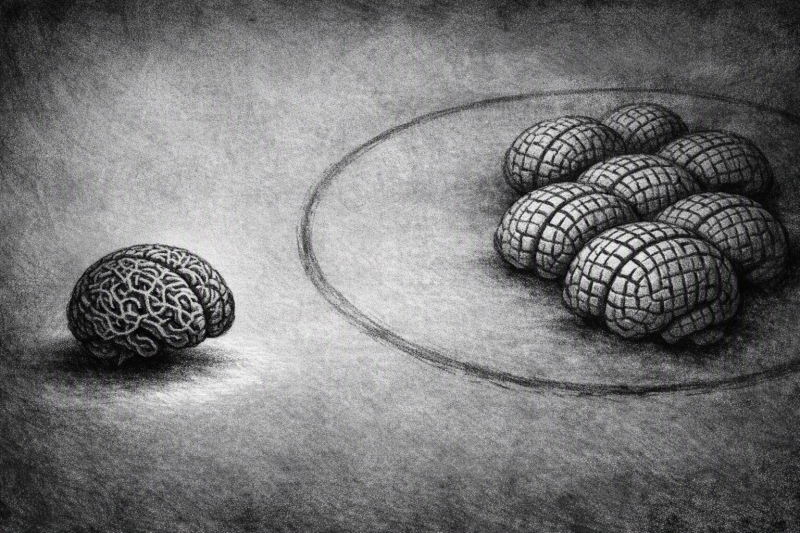
Chapter 2. Character
Words 419 at 12 Times New Roman
Timelines and repetitive challenges continued from infancy towards today. Priority ones include daily grind of humiliation, and the core ones, ‘bullying, ostracization, being misunderstood and not taking seriously. Despite making what you may call serious progress.
Aspergers is the central processing unit, a completely different wiring to Neurotypicals. That mechanism decipherers, and interrupts information differently. In my case, I believe, ‘I do not have problems with visualising body language and facial expressions. But had a rough time getting to grips with them at an earlier timeline’.
I do view the world in general vividly odd and you may reframe your viewpoints in a way that makes you more interesting.
An outsider like himself will often peer through a glass window, see the goings happening in motion, determine if he desires participating and may get confused when the vibe is positive... That’s when things become awkward. A bit like gatecrashing at a party you weren't invited too.
Overall, the group may accommodate you when you transition over a threshold of social cues or skillsets. But they won’t except you socially in the strict code order upon the neurotypical world of invisible rules. And I think the answer may be as clear as mud. There isn’t one as such, a kind of, ‘on the spot’, moment in a precise moment of time.
I have determined that someone like myself is a pain in the neck, a nuisance or a bee in the bonnet. Overall, the blindness rules; stems in the neurotypical world. A type of deflection method manifests.
You may well see this in government chambers when they are scapegoating a target relating to some unpleasantries. Or it may happen in structured arenas, when individual’s or groups weave to avoid accountability.
I do see paradoxes in society. Then transmit. And receives aggressive treatment for pointing them out by the ones that discuss them in comfort groups or complain in vain with no one risking themselves to step up to the podium.
And that leaves everyone stuck in limbo. Where progress is snail-paced. And heightening tensions become normalised. Whist strong dialogue prevents curiosity that could offend ruffling feathers. And the way to vent out mine is within a small corner, my book.
These are the chameleon rainbow spectrums of doing everything to the book and still getting it completely wrong in theory. It was like trying to correct an intricate painting of a flower with the design constantly improving, but the paints never settled as their primary colour once applied to canvas.
Chapter 2. Character
AI Generated
The timeline of repetitive challenges stretches from infancy to the present day. The constant threads have been humiliation, bullying, ostracisation, being misunderstood, and not being taken seriously, despite what many would consider significant personal progress High Functioning Autism, (HFA) is my central processing unit—a completely different wiring from that of neurotypicals. It processes, deciphers and interprets information differently. In my case, I don't believe I struggle with recognising body language or facial expressions today, although getting to grips with them earlier in life was far from easy.
I also see the world through a different lens. Things that appear ordinary to others often seem vivid, unusual or worthy of questioning. Sometimes that perspective can even encourage others to reframe their own views in ways they hadn't previously considered.
An outsider often stands behind the glass, watching life unfold on the other side. They observe the interactions, decide whether they want to join in, and can still find themselves confused even when the atmosphere is welcoming. That's when things become awkward—rather like gatecrashing a party you were never invited to, despite everyone else seeming to know the rules.
Groups may gradually accommodate you as your social skills develop and you learn the unwritten customs. Yet genuine social acceptance can remain elusive because so much of the neurotypical world operates through invisible rules that are never explained. The answer, to me, is as clear as mud. There isn't one defining moment when acceptance suddenly arrives; it is often an invisible threshold that no one can quite identify.
I've often concluded that someone like me can be viewed as a pain in the neck, a nuisance, or a bee in someone's bonnet. Much of this stems from a kind of social blindness, where misunderstanding leads to deflection rather than curiosity.
The same pattern appears elsewhere. You can see it in government chambers when blame is shifted onto convenient targets, or within organisations where individuals or groups weave around accountability instead of confronting difficult truths.
I notice contradictions and paradoxes in society and have a habit of pointing them out. More often than not, that attracts criticism from the very people who discuss the same issues uncomfortably subjects among themselves, yet hesitate to stand up publicly and challenge them. The result is a society trapped in limbo, where progress moves at a snail's pace and heightened tensions become normalised. Strong dialogue gives way to caution, curiosity is suppressed for fear of ruffling feathers, and meaningful conversations never happen.
My way of making sense of it all is through writing. This book is my corner of the world where those observations can exist without interruption.
Living on the HFA spectrum can feel like being a chameleon, constantly adapting to different environments while never quite blending in. You can do everything by the book and still somehow get it wrong. It is like painting an intricate flower whose design becomes more refined with every brushstroke, yet the colours never quite settle into the shades you intended. The picture improves, but it never matches the image you first held in your mind.
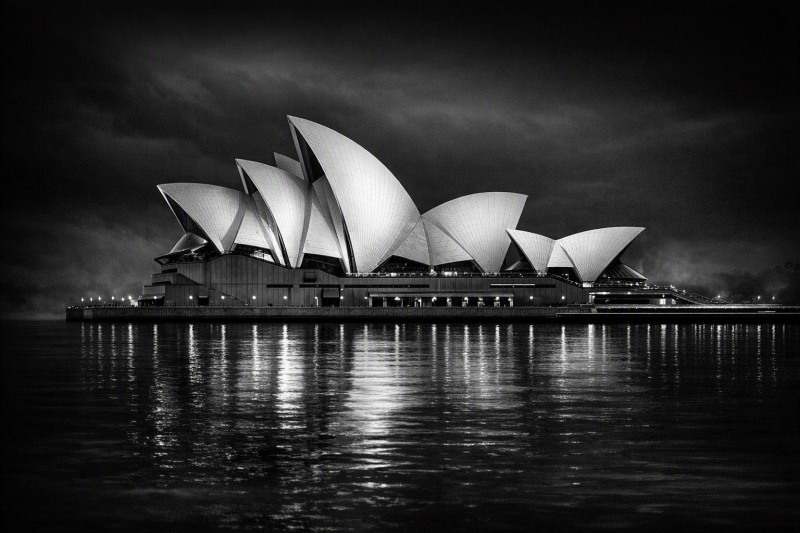
Chapter 3. Sydney
AI Generated
It's not quite the backpacker scene many have in mind. Think of Human Resources dressing up a job advertisement with postcard-perfect scenery to lure you in. Then the reality of the job description hits, like being turned away from heaven at the Pearly Gates. It's the equivalent of trying to polish a turd and expecting to uncover a diamond.
Or, as the English saying goes, you may look at the flowers and smell them, but you must not pick them.
The equivalent of the red carpet, rolled out the moment I touched down in Sydney. The urban myth of it being an easy-going city was quickly extinguished, reduced from a roaring forest fire to a smoldering ember that refused to die.
The high of this unnamed substance was short-lived, with the after-effects arriving at record speed. My funds disappeared just as quickly, and the four-letter backpacker taboo swearword beginning with W and ending with K came into play. Unlike many, I embraced it without complaint and took it in my stride.
Documented here are the highlights of my work assignments, the experiences gained along the way, and an honest account of backpacking and city life. You'll encounter the quirks of Australian terminology—from spanners instead of wrenches to calling something a beast when it's particularly ugly or difficult on the job.
Also highlighted is what I call the Mother Teresa treatment—where the macho attitude of "put up and shut up" often outweighs sympathy, especially if you're nursing an injury such as a swollen foot. Neurodivergent travellers may also experience a shift in perspective. If you've lived a relatively sheltered life, spending time alongside people in homeless shelters or those doing it tough can be eye-opening. One lesson becomes clear: don't stampede through life like a walking earache around groups. They have their own problems and agendas.
I've also included that familiar family wisdom—generational advice that comes without paperwork or indemnity. Dispensing it as freely as turning on a bathroom tap rarely ends well. Along the way, I highlight some of the trickier situations I encountered and how I navigated them successfully.
With the right mindset, Sydney can be a goldmine—a place to recover the money you worked so hard to save before your trip. I was quids in within a month, while others either became backpacker millionaires or went broke and were spat out by the city. Which path you follow is largely of your own making.
The city's safety nets and comforts can transform an introvert into a party animal. Before long, it's easy to fall into the endless mantra of work, party, repeat. And when you're soaring high, feeling on top of the world and shouting "California!" from the rooftops, it might actually be a sign that you're longing to escape.
For those willing to venture beyond the city and dip a toe into the outback, it's time for me to take you on that journey
Chapter 3. Sydney.
Words 472 at 12 Times New Roman
It's not quite what the Backpacker scene that one had in mind. Like Human Resource Management recruiting a job advertisement using the postcard trimmings to hook you in. Then the reality of the job description hits like being denied access to heaven at the Pearly gates. It's like the phrase trying to polish a turd to reveal the diamond.
Or the English simile,’ you may smell and see the flowers, but you must not pick them’.
The equivalent of the red carpet was rolled out as soon as I touched down in Sydney. The urban myth of it being an easygoing city was quickly extinguished from a roaring forestated fire into a smoldering ember that takes forever to die.
The high from this unnamed substance was short lived with the after affects kicking in at record speed. Funds depleted fast, and the four-letter backpacker taboo swearword bringing with W and finishing with K came into play. Unlike them, I embraced it without complaints and strides.
Documented are the highlights of work assignments and the experiences gained along the way with a general documentation of overall backpacking and city life in general. The intricacies of terminology of what is referenced as a spanner to a wrench and the beast as something that is ugly whist on the job. Highlighted also is the Mother Teresa treatment off the macho attitude of putting up and shutting up along the way especially if your wanting sympathy for an injury like a swollen foot. And neurodivergents, you may have a change of heart when you compare yourself to those who live in homeless shelters if you’ve led a sheltered life until this moment, it’s to not stampede around the place like a walking earache device.
I have included that family of generational advice of indemnity which is paperless. Dispensing it like turning on a bathroom tap will not go well for you. I have highlighted some of the tricky situations faced and navigated them in a satisfactory way.
Sydney, with the correct mindset can be a goldmine to utilize and a way of recouping your expenses of what you forked and saved for the trip. For me, I was quids in within a month whist others stay and either become backpacker millionaires of go broke and spat out. How this pans out is entirely off your making.
The safety nets and comforts of the city can turn an introvert into a party animal and someone on mind loop can repeat the mantra of work and party until otherwise withdrawn. And when you're in the element flying high like an eagle in the sky, and shout ‘California’ from the rooftops. It could be a bad sign of wanting to escape. For those that semi dip into the outback. It’s time for me to take you on that journey.

Chapter 4 Mildura
AI Generated
A beautiful landscape, yet one that could be harsh upon the human soul. Endless shades of red and brown stretched to the horizon, where crops and native flora blended seamlessly into the rocky terrain like a parade from the surface of Mars. The bus route was punctuated by truck stops selling greasy food, while endless bottles of mineral water became an essential travelling companion.
The symptoms of homesickness and the constant chatter of the mind became the very comforts I had tried to escape. The promise of a rainbow at the end of a long journey often ended in disappointment upon arrival, only for the mood to be transformed in an instant by a kind word from an acquaintance.
Work assignments frequently began with the promise of more farm work, while one experience that seemed to appear on every backpacker's bucket list was working in a sawmill. The workplace dynamics revealed another side of Australia, where the way Aussies welcomed newcomers like "Damo" into the workforce was often contrasted with working life in the UK.
In my own small way, I was writing a piece of personal history while surrounded by reminders of what others had endured during the Second World War. At times, the work felt almost gulag-like, and the harsh conditions could take a toll on one's mental health. There were moments when I was close to tears and wished an alien spacecraft would transport me back to the comforts of home. They were grim assignments, and the only creatures that seemed genuinely pleased to see me were the insects, greeting newcomers with open legs, twitching antennae, and intoxicating home-brewed concoctions.
Forget modern sensitivities towards prejudice, racism, or gender stereotyping. In some places, those attitudes seemed to have stood the test of time, perhaps buried more deeply than before but still present beneath the surface. Workplace politics often meant one person took the blame for another's mistakes. There were stories of people trying to leave town without paying a debt, alongside the polite but firm reminder never to anger the locals.
Then there was the rumour mill, forever churning out tales of lucrative work assignments and feeding the Superman mentality that anyone could earn a fortune if they worked hard enough. It's an appealing piece of folklore, and many buy into it. Yet, to this day, I have never met anyone who could produce a pay slip or cheque that truly matched the stories.
And don't get me started on the grumbling masses, forever complaining about the climate. Backpackers and locals often seemed to be at loggerheads with one another, blaming the other for one frustration or another.
Throughout the journey, references to convicts and prisons appeared to be woven into Australia's cultural identity. That was my impression, at least. Hopefully, your own experience will paint a more alternate picture.
With my funds only partially recovered and still operating at a loss, it was time to move on to somewhere more forgiving. That, at least, had been the original intention.
Chapter 4 Mildura
Words 422 at 12 Times New Roman
A beautiful landscape in a way that is harsh upon the human soul. Of endless shades of reds and browns with crops or flora blending into the rocky landscape like a parade from the planet Mars. With truck stops selling greasy food, consuming endless bottles of mineral water was the bus route.
Symptoms of homesickness and mind chatter become the very comforts from which I tried to run away from. And the promise of a rainbow at the end of a long journey is met with a disappointing verdict when you arrive, then like a light switch is overturned by a good word with an acquaintance.
Work assignments begin with the promise of more farmwork, and the bucket list for everyone to tick off is an experience working in a sawmill. And the work dynamics based upon the comparisons how Oz’s welcome Damo’s into the work arena comparing it to the UK.
A history making of my own is documented on what others had to suffer during world war 2 and a semi-sense of working in gulag conditions can impact mental health. At times, almost semi cried and wanted the alien ship to transport me back to comfort. They were grim assignments and the only welcomers seemed to be insect sort. Greeting homoserines with open legs, antennae and intoxicating you with their homebrews.
And forget being sensitive towards prejudice, racism and stereotyping genders. Here the bias has stood the test of time, more buried than it used to be perhaps. Workplace dynamics were a key factor with himself taking the rap for other misfortunes. Then trying to leave town without paying a dept. And a polite reminder to many, not to piss of the locals.
Then there’s the rumour mill of some lucrative work assignments And the Superman mentality of the potential to earn big bucks. And we can all buy into that type of folklore. Though to be honest, I've yet to meet such a worker who can prove to have such numbers on a written cheque.
And don’t get me started on the grumbling grazers who are forever complaining about the climate. The backpackers and locals in general who are often at blockheads with one and other.
Throughout the duration of the book, the convict thing and the referral to prisons seems to be within the culture, that’s my take on Australia, hopefully yours may be colourful.
Funds recuperated to extent and existing on a loss; it was time to head too somewhere more forgiven. That was the initial intention.
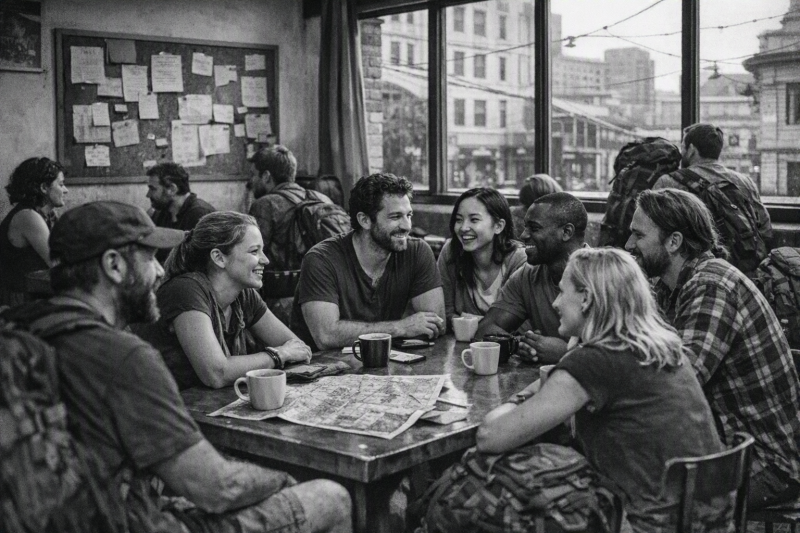
Chapter 5 Melbourne
Ai Generated
Backpacking life followed a familiar rhythm: arrive in a new city, find somewhere cheap to stay, hunt for work, and somehow keep the cogs turning until it was time to move on again. Before long, the routine became second nature. Yet the real education was never found in the guidebooks or tourist attractions. It was hidden in the overlooked corners of Australian cities—the grey tower blocks, ageing suburbs, and sprawling social housing estates where few visitors ever ventured. Those places revealed far more about everyday Australia than any postcard landmark.
When legitimate work dried up, survival demanded improvisation. One of the stranger chapters involved becoming a travelling hawker, carrying a rucksack full of A5 brick diaries and attempting to sell them for AU$40 each. The operation had all the hallmarks of a pyramid-style sales organisation: relentless optimism from those at the top, promises of easy money, and a constant stream of newcomers convinced they had discovered an opportunity. Looking back, it was a fascinating lesson in persuasion, psychology, and the ways people can be drawn into systems that primarily benefit those already established.
The endless legwork took me into every corner of Australian society. Each day introduced unfamiliar neighbourhoods, unusual encounters, and situations that could never have been predicted. Collectively, they became a priceless education, leaving lasting impressions that no classroom could ever provide. Every success, setback, and awkward conversation added another layer to my understanding of Australian work culture and the unwritten rules that governed it.
Office life, despite being on the opposite end of the spectrum from backpacking, revealed dynamics that felt universal. Hierarchies quickly emerged, with carefully protected pecking orders and personalities competing for influence. Fresh ideas were often dismissed before they had a chance to breathe, not because they lacked merit, but because they challenged established routines. Charm could disguise self-interest, and appearances often concealed agendas. It became increasingly obvious that navigating personalities was sometimes more important than competence itself.
Work was only one side of the experience. Evenings frequently dissolved into pubs, clubs, and long nights. Along the way I met women from across Southeast Asia, some of whom seemed to appear at exactly the right moment, adding unexpected twists to the journey. Occasionally those encounters hinted at the possibility of something more permanent, forcing me to confront a question every long-term traveller eventually faces: settle down or continue moving. Was it time to become domesticated, comfortable and predictable, or remain an eagle, always chasing the next horizon? More often than not, the Eagle won.
Not every encounter was uplifting. One of the more memorable characters was a Dutch-Indian traveller whose fortunes had collapsed, leaving him stranded and struggling to rebuild his life. Through people like him I witnessed how quickly stereotypes shaped perceptions and how subtle prejudice could influence opportunities, friendships, and first impressions. Those experiences reinforced my growing frustration with the inequalities of the employment world—a subject that repeatedly fueled my rants, even if they often fell on deaf ears.
As money became tighter, small acts of mischief gradually evolved into habits that blurred the line between ingenuity and dishonesty. Cutting corners and quietly fiddling the books became normalised, justified at the time as little more than survival. Eventually, however, the cracks began to show. Suspicious minds started asking awkward questions. Food mysteriously disappeared. Trust evaporated. Every nightclub seemed to operate by its own unwritten code, and every mistake triggered another, creating a domino effect that became increasingly difficult to stop. Before long I felt less like a traveller and more like a fugitive, keeping a low profile until it was finally time to disappear into the night and sail towards the next destination.
Amid the chaos sat an entirely different ambition: completing a TEFL course. Compared with the unpredictability of backpacking, it represented structure, qualifications, and the possibility of a more sustainable future. Whether it would ultimately become a career or simply another chapter in the journey remained uncertain, but it symbolised an attempt to build something lasting from an otherwise transient existence.
Looking back, there are lessons scattered throughout these experiences that my Granddad would undoubtedly have approved of. Time and again he warned about being caught off guard, especially by schemes that promised effortless rewards while concealing uncomfortable realities. His advice was rarely dramatic, just practical wisdom earned through experience. In hindsight, many of those warnings proved remarkably accurate.
Equally important was learning how to recognise systems, personalities, and situations for what they truly were and, where possible, use that knowledge to your advantage. Experience became the greatest teacher, demonstrating that proven methods often produced successful outcomes—provided they were applied with patience and judgement rather than blind optimism. More than once, I realised I had put the cart before the horse, chasing opportunities before properly understanding the ground beneath my feet. Those mistakes, frustrating as they were, ultimately became some of the most valuable lessons of the entire Australian adventure. And refining it to gaining a certificate, working hard, achieving only for no value.
Chapter 5 Melbourne
Words 354 at 12 Times New Roman
Unless otherwise, new city, find accommodation and look for work. You know the drill and intricate details of backpacking life which keeps the cogs turning.
Exploring the charms of the city where most tourists overlook, such as the grey tower blocks and social housing complexes. Definitely a mission when not working legitimanty and being a hawker with a rucksack trying to sell A5 brick diaries for AU$40 and structured like a pyramid system.
The journey of legwork took me to all kinds of places and some very unusual situations encountered, leaving a priceless education and a lasting impression. So digging deep into glimmers of Australian work culture. Highlight dynamics within an office environment which is familiar throughout the world with the nest egg of pecking orders. And dismissed suggestions were met with brick walls and charms of deceive.
Plenty of drinking and a James Bond type of feel when South Eastern Asian women for some reason became filaments. And elements at T junctions of possible romances or refusing to be domesticated like a dog or remain an eagle and see more of the world.
More gory detail with a Dutch Indian Guy down on his luck and the flavored prejudice that comes from stereotyping etc. And my usual rant that often goes in vain about the unfair dynamics of the employment world.
Lots of intricate details of mischief at my end and fiddling the books became the norm, and things begun to turn against me with suspicious minds asking plenty of questions, food of mine stollen, codes and rules of nightclubs, and the domino effect where things took a turn. Elements of being fugitive and laying low before sailing into the night. And we cannot forget the TEFL course, could we?
On occasions, I have added in my usual Granndad advice about the risks of being caught off guard, like entering into a pyramid scheme. And authentic knowledge of how you can use whatever you want to call it, to your advantage. Proven and tested methods can lead onto successful outcomes which is told by himself. In hindsight, bringing the cart before the horse.
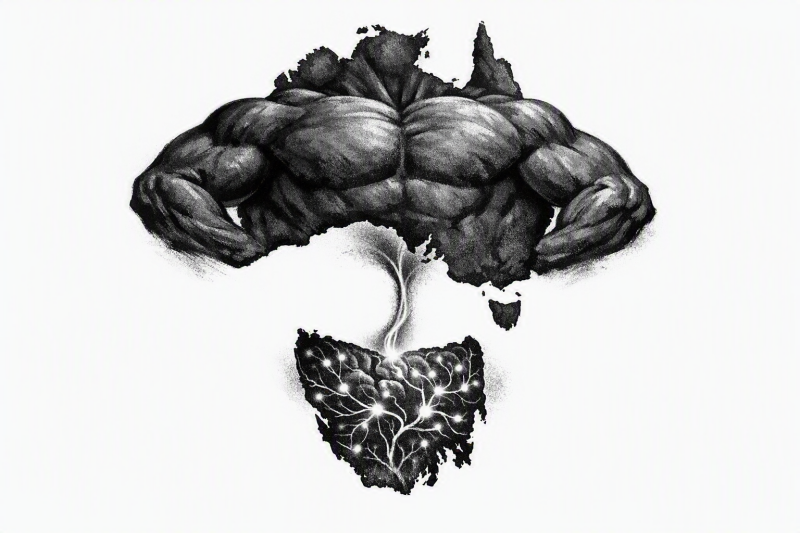
Chapter 6 Tasmania
AI Generated
A journey of random encounters gradually converges into interconnected trails, revealing colourful aspects of human psychology. Along the way and repeated, human resources, workplace dynamics, and the language of organisational culture become recurring signposts in a wider exploration of how people behave.
Sensitive subjects are examined through observation rather than judgement, from the classification of virgin forests and man-made plantations to the ways humans organise, label, and define the world around them.
The narrative also explores the "rat race" of career-driven family life and the curious expertise people develop in social settings—from conversations about insect pollinators to broader questions of identity and belonging. It asks whether those who appear on television truly make it on their own or whether success is often shaped behind the scenes for the benefit of the camera.
Arriving on dry land, purchasing a bicycle, and travelling across the paved roads of the island provides a change of pace and perspective. Echoing Phil Collins' phrase, "both sides of the story," the journey reveals contrasting realities while cycling through landscapes marked by environmental change, thinning ozone awareness, homesickness for roast dinners, and an unexpected craving for Lindor chocolate bars.
The story wrestles with legislation, media narratives, workplace hypervigilance, and the constant tension between individual judgement and institutional expectations. Repeatedly pushing back against these pressures becomes a recurring theme, reinforcing the belief that what does not break you can ultimately make you stronger.
Hints of dramatic situations only fully reveal themselves later, while insects gradually receive the recognition they deserve for their vital role in the natural world. Survival is reflected in simple images: currency determining opportunity, a lamb relying on its mother, and parallels with people depending on welfare systems.
Workplace drama returns in new forms within crews of tree planters, where rumours circulate about the most desirable contracts and assignments. The culture is coloured by gossip, drug references, innuendo, gender dynamics, and the presence of outlaws—all presented as observations made in good faith. Local characters, with their unique knowledge and perspectives, provide insights that distinguish this manuscript from many others.
Unlike books written and published in haste, this manuscript has evolved over more than two decades. It reflects changing attitudes towards climate, excess, and humanity's tendency towards short-term thinking. The slow build-up to disaster, the blazing fires, and the eventual relief that extinguishes them often overshadow the quieter warning signs that came before. Daily routines, shaped by chaos, frequently prevent people from recognising these patterns until it is too late. Even the deliberate misspelling of "chaorticness" hints at the imperfect nature of lived experience. Alongside this are observations on poppy cultivation and Tasmania's famous devil population.
The journey concludes with the everyday frustrations that often define life more than dramatic moments: struggling with the mechanics of a tree dibber, spending long hours confined inside a moving troop carrier, and confronting the inner conflict between the role you feel compelled to play and the person you know yourself to be. It is a story of resilience, observation, humour, contradiction, and the enduring search to understand both nature and human nature.
Chapter 6 Tasmania
Words 419 at 12 Times New Roman
A journey of random encounters that triangulate into game trails that often bring out colourful psychological behaviour. With Human Resource signage and workplace dynamics coming into play. And trying to make sense of sensitive subjects why humans such as classifying virgin forests to manmade ones.
And the rat race career ordinated family type who become experts in social settings of types regarding insect pollinators and much more. And from that, has anyone really reappeared on television, going it alone, or were they spoon-feed along the way for the camera?
Arriving on dryland and purchasing a bicycle to journey the wonders upon paved parts of the island, on two occasions seeing two sides of what Phil Collins describes as ‘both sides of the story’ peddling in environments, lack of ozone, craving for roast dinners and Lindor chocolate bars.
Plenty of human engineered legislation of believing the media and himself at loggerhead and wresting against hypervigilanc of workplace and colleagues. Same result constantly sticking the middle finger up at it and bridging stories of what cannot break you makes you stronger.
Clues of dramatic situations encountered much later on, with the insects getting the long grey recognition they truly deserve. And currency survival, a baby lamb, depending upon its mother. Similar to humans depending on welfare.
More workplace dramatics in new guises relating to what often goes on in gangs of tree planters. And rumours circulating of the best sort assignments. Highlighting unsavory flavour of the month; drug references; innuendo references on genders and outlaws. All used in good faith at my end. And plenty of locals filled with local knowledge could have an edge on other written manuscripts.
And unlike many books rapidly released. This book has a couple of decades of written transformation regarding the changes in climate and having too much of a good thing and short tunnel vision of seeing things way too late. The blazing fires before the gradual build up to the event and the relief that doses them overplays the plot often overlooked with chaorticness upon molded routines of daily living. Like the way I spelled it. And some insight into poppy cultivation and the famous Tasmanian Devel population.
Finding simple things hard, struggling with tree dibber mechanisms and cooped up inside a moving trooper sums up the journey entirety. And highlighting the inner conflict which is often a different facade at times for simply acting out a dynamic which isn’t in line with your character.
It’s a long old chapter.
Chapter 7 Hit the Road Jack
AI Generated
There was a sense of collective disengagement among me and my fellow workers as we carried out the tree-planting assignment. Before long, I was back on the bike again, imagining catastrophic forest fires and, in a strange way, almost wishing to witness one firsthand. At the same time, I absorbed the island's natural beauty, whether while eating or while nursing the stomach pains brought on by too many fish and chips.
I got lost more than once and found myself drawn into the island's cheerfully cheesy tourist culture. Along the way, I met two Dutch women who both had partners back home. I felt the subtle social pressure either to join them on the island tours or strike out on my own.
As Christmas approached, I managed to secure a hostel job in exchange for free accommodation. I embraced a hobo-like existence, always on the lookout for freebies and ways to stretch every penny. It was my first Christmas away from home, marked by improvised low-budget recipes that became surprisingly inventive despite the limited ingredients.
Eventually, I returned to the mainland, taking one last look at the life I had escaped before slipping back into anonymity. I caught up with Silva, whose conversation revolved around George Orwell, with a passing reference to D Block at Alcatraz. I also sought out a distant cousin, a keeper of family folklore whose stories added another thread to the family tapestry.
It was only a brief transition before the needle found the vein once more, delivering the familiar high that had been calling me back.
Chapter 7 Hit the Road Jack
Words 182 at 12 Times New Roman
Some collectiveness in how I and other work colleagues disengages with the tree planting assignment. And got back on the bike again. Imagining catastrophes of forest fires and wishing to see one for himself. And absorbing natural beauty of the island whist eating or feeling stomach pains of fish and chips.
Getting lost and being indoctrinated into the cheesy tourist scene. Hooking up with 2 Dutch women. Who had partners back home. And being socially conditioned to do the lane tours with them or take my chances.
Christmas was happening and somehow got a hostel job in exchange for free accommodation. Acting the hobo and scouting for freebies. First Christmas away from home with some ingenious recipes on the low-budget radar of cuisine.
It was back to the mainland to glance at the scene I escaped from, before becoming invisible again. A catchup with Silva with strong emphasis on George Orwell and a touch of D Block from Alcatraz. And looking up a distant cousin who dispenses family folklore. A brief transition before the needle reinjected again for that cried out high.
Chapter 8 Adelaide
AI Generated
Checking into the BKR at 7:50 a.m. became a memorable moment — like walking into a crime scene, with detectives searching for clues in a murder investigation. It was one of those surreal experiences that was difficult to absorb, similar to the feeling of staring down the barrel of a gun, something he himself had experienced long before the trip.
A real murder investigation was underway, and the owner was subjected to intense questioning from investigators. It was a serious case, attracting attention from the likes of ABC News journalists, who arrived to broadcast the incident across the states.
It became a highly social chapter, with difficult labour conditions forming the central theme for what followed. This time, the focus shifted towards setting up concert stands and revealing the complexities involved in public events — the teamwork, organisation, and technical challenges of wiring lighting systems along a city beachfront.
When things became difficult in town and the usual easy-going options disappeared, the solution was often finding someone like Jerry or Tony — people who could lend a hand and help you through a difficult situation.
At first, I was considered unsuitable for the work and was picked on, but once I mentioned my fitness background, it changed the perception and kept me on the payroll, along with plenty of laughs. The experience also highlighted the importance of understanding what it means to be labelled a racial outsider — something that should not automatically be viewed through a malicious lens.
It was a powerful chapter, filled with conversations about injustice and the reasons society holds individuals accountable. Watching from a distance and doing nothing until an issue becomes unavoidable raises difficult questions. Perhaps this is why prisons become filled with people acting out their frustrations, while organisations and institutions can continue existing by excusing their own behaviour when faced with complicated circumstances.
Things began on a positive note and naturally ran their course. A close-knit group of travellers formed strong bonds, and the underlying theme throughout was the idea of applying rules and conditions to suit your own circumstances — provided, of course, that you held the cards and hoped the spin of the bottle never landed on you.
The incidents were often party-driven: barbecues, alcohol, and bongs. There were travellers leaving town without paying rent, alongside unreported illegal activities that people chose to ignore. It was an environment where eyes opened, then quickly closed again.
There was plenty of performance and deception — people adopting two-faced personas and displaying controlling behaviour towards others. Eventually, moving on became the only option. It was a noisy, chaotic episode, and somehow the next one became even more intense.
Chapter 8 Adelaide
Words 375 at 12 Times New Roman
Checking into the BKR at 7:50am became memorable like walking into a crime scene with detectives looking for clues in a murder investigation. It’s one of those exciting moments that you find hard to take in, something like staring down a barrel of a gun like himself had experienced long before the trip. A real murder investigation was in the process, and the owner was being grilled by overzealous questioning. It was a serious investigation with the likes of ABC news journalists turning up to broadcast the incident to all states.
A very social chapter with expletive labour conditions become the core theme until otherwise. This time, setting up stands for concert describing the intricates that go into a public events such as teamwork and wiring up lighting systems on a city beachfront.
And when things become tight in town, and the easy-going. The solution is to find a Jerry or Tony who may be able to help you out.
Unsuited for the work and picked upon at the beginning; until I mentioned my fitness background which kept me on the payroll with laughers. And the important thing of being classified as a racial alien shouldn’t be seen in a malicious light.
It’s a well-charged chapter. With conversations towards injustice, and why society holds you accountable is thought provoking. Observing from afar; without doing anything; until it happens big. It’s perhaps why prisons are full of the wrong type of people acting out in frustrations and society organisations can remain in existence by excusing themselves in tricky predicaments.
Things begin on a positive note and ran their courses; with a close nit group of travelers happily bonding together And the theme throughout is generally applying the terms and condition to your liking. Providing you hold the cards of course and you hope the spin of the bottle does not point in your direction.
Incidents were party like, barbecues, alcohol and bongs. And rife with travelers skipping town without paying the rent and unreported illegal activities that open eyes becoming shut. There was plenty of acting with having 2 faced personas and tyrannical behaviour towards others before himself, which meant moving on. It was a noisy episode and it got even worse in the next one.
Chapter 9 The Hippy Trail
AI Generated
This was probably going to become the most familiar chapter in any backpacker’s story: the colourful characters, the battered blue-and-white Mitsubishi van, the endless tarmac stretching across the Australian landscape, and the ancient bedrock rising in the distance like a reminder that humans were only temporary visitors.
The soundtrack was Eurodance blasting through cheap speakers, carrying us forward through a landscape that felt both cinematic and unreal. It had the same kind of wandering energy found in The Beach — the search for something beyond ordinary life, the belief that the next destination might reveal opportunity, freedom, or some hidden version of ourselves. But this time, the story was being experienced through a neurodivergent lens: one where patterns, contradictions, and social dynamics became impossible to ignore.
The journey from Adelaide to Perth began with a rumour that had become almost a backpacker legend: Perth was the promised land. A place where travellers could rebuild their finances through the booming mining industry, where hard work could quickly translate into money and a fresh start.
That idea created a false sense of security.
The reality was far more complicated.
The remoteness of the Australian outback carried a different kind of atmosphere. The empty roads, the isolation, and the sheer scale of the landscape created moments where imagination and reality became blurred. There were situations where personal safety felt uncertain, where the environment itself became an unpredictable force. The feeling sometimes carried echoes of survival films — the tension of The Texas Chain Saw Massacre mixed with the vulnerability of Jaws, not because danger was always present, but because the unknown was constantly surrounding us.
With no established plan and a willingness to embrace unconventional thinking, I began to see the journey differently. I started developing a tramp’s perspective: observing the forgotten corners of society, wondering how these isolated settlements and dust-covered homes came into existence, and what stories were hidden behind their walls.
Keeping the peace became its own challenge. There was an impulsive crash course in fishing, learning practical skills that had never been part of my previous life. Looking through that lens, I found myself reflecting more than I expected. Passing houses with open garages, I noticed residents repairing engines, restoring vehicles, and creating things with their hands. There was a quiet industriousness there.
It made me think about home.
It made me question what I had achieved.
In five months, I had experienced more uncertainty, challenge, and personal growth than I had managed to find in ten years of routine.
What may stand out most to others is the gradual process of understanding neurotypical social behaviour: the unspoken rules, the group assumptions, and the invisible boundaries that determine who belongs and who does not. There is a particular confusion in being excluded from social circles without ever being told the reason why.
Everyday life often demands conformity — an expectation to socialise, adapt, and perform certain behaviours, sometimes at a personal cost.
And when you challenge that system by speaking directly, by saying things others avoid acknowledging, it can create conflict. Honest observations can become uncomfortable mirrors. Conversations can turn into arguments that continue long after the original moment has passed, sometimes lasting years.
When the people involved are eventually confronted, the reality is often complicated. Few will openly admit they sided against someone unfairly. Fewer will acknowledge the contradictions of privately maintaining relationships while publicly following the group.
Because social loyalty can be stronger than truth.
And sometimes the person carrying the blame becomes the easiest person to sacrifice.
Chapter 9 The Hippy Trail
Words 388 at 12 Times New Roman
This is probably going to be the most generic chapter of a backpacker story. It involves colourful characters; a blue and white Mitsubishi van on a tarmac road with the bedrock in the background. With the dynamics of the journey from Adelaide to Perth stopping off along the way with Eurodance music played in the background.
If you’ve familiar with the film The Beach by Alex Garland. And novelist written by John Harris. The vibe is generic with dramatic escapades. Only this time told from a Neurodivergent angle.
It started off again with an imbedded rumour that Perth is a natural destination for BKR’s to top up their funds from the prosperous opportunities of finding work down the mines. And that idea put me in a false sense of security into anyone not grasping the full-on reality.
Off course there were threatening moments against himself facing potential serious dangers to his wellbeing and a threat towards my life and potentially all from exploring the remoteness outback. The surreal feeling from the movie ‘The Chainsaw Massacre and Jaws intertwined somewhere imbedded in the storyline.
So, with untested scenarios and new age thinking coming into play. I started to construct an image of a tramp's viewpoint and how the history of dust houses came into existence. And to keep the peace, and a sudden impulsive crash course in fishing. From a lens, I did plenty of reflection, especially when passing houses with open garages and realised how industrious the residents were at fixing mechanical things such as cars. It made himself think of home and having done more with my life in 5mths than in 10yrs.
What may stand out towards many is gradually piecing together neurotypical behaviour of why the group inference's. And why your booted out of social groups without them giving you an explanation. This ties into a bigger picture with everyday life being forced and conditioned to socialise at your expense.
And when you do talk sense and deliver direct truths. This can rattle them into a bickering contests that can stand the test of time, perhaps years from now about himself once the culprits are confronted in person. And no one will make it obvious for siding with the scapegoat in case of group betrayal, despite themselves forming an independent relationship with them in secret.
Chapter 10 Perth
AI Generated
Perth arrived as a strange contrast: a bland city, a potbellied backpacker cash-cows hangout that somehow became something more than it appeared. It welcomed me like a stray cat wandering away from the familiar pathway it was supposed to follow. After the hectic pace of the previous two chapters, this chapter explores the psychology of burnout, uncertainty, and the experience of existing with dwindling funds.
It was a place where you could update your CV and search for work, although, like Zed in Melbourne, you were expected to pay a small fee for the privilege of chasing what often felt like modern-day slavery. My work history, if it could even be called that, was becoming increasingly difficult to present with confidence.
I felt lethargic to the point of questioning my direction in life. A journey of coming to terms with my circumstances began, fueled by relentless heat, rejection emails, and the silence of employers who never bothered to respond.
In defeat, I spent long periods swimming in small pools, retreating into air-conditioned places to watch films, and eventually returning to the dormitory where I would lie on my bunk for hours. I found myself thinking about everything I had left behind, dreaming of the so-called good old days, and feeling sorry for myself.
The backpacking lifestyle was beginning to feel repetitive. The excitement that had once driven me was fading, replaced by frustration and a growing sense of being stuck.
It was during this period that I began exploring the possibility of gaining residency and moving to Australia permanently. Returning home was tempting, but I also felt disconnected from the direction the UK was heading and trapped between two uncertain futures.
I had my qualifications assessed, visited the university, and followed up with a trip to Fremantle TAFE to explore entrance requirements, including purchasing a SATS preparation booklet. These small steps represented an attempt to create a new path, even when my confidence was at its lowest.
Gradually, things began to improve, like a drooping plant finally receiving water. One of the rare highlights was being accepted as an after-school children’s activity instructor, even receiving the job offer verbally. There were also memorable social experiences, including encounters that challenged my perceptions and triggered my awareness of my own prejudices, particularly around sexuality, while still reinforcing my belief in accepting the choices people make.
The chapter also explores the darker history of Fremantle Prison, with its lingering prison-like atmosphere, as well as small but abstract interactions with Aboriginal people.
Overall, this is a more laid-back chapter, including the unexpected reconnection with one of my mother’s school friends from Portsmouth, who reached out and wanted to meet me for reasons that seemed almost bizarre at the time. There is also a musical quality to how one family embraced me, reminding me of a smaller version of the band ‘Arcade Fire’ — a collection of individuals creating their own unique harmony.
The chapter contains reflections on building a house from scratch, alongside references to Australian films such as The Castle, capturing a sense of community, belonging, and the strange ways people can become connected.
There were minor confrontations along the way, but nothing compared with the intensity of experiences already described. Perth was not a chapter of dramatic highs and lows; instead, it was a quieter examination of exhaustion, reinvention, and slowly finding direction again.
Chapter 10 Perth
Words 432 at 12 Times New Roman
The arousal of Perth with the bland city and a potbellied backpacker Cash cows hangout became none of it. It welcomed me like a stray cat venturing off the familiar pathway it was supposed to follow. It’s a contrast to the hecticness of the previous two chapters and details the psychology of burnout and existing low on funds.
It was a place where you could update your CV and look for work, and like Zed in Melbourne, would have to pay them a small fee for the pleasure of slavery. And my work history if you could call it that, was somewhat embarrassing.
Feeling lethargic to the point of wanting out of this existence. A journey of complement is unfolded. It begun with the relentless hot weather, with the rejection or applied jobs in emails if they responded at all.
So, in defeat spent plenty of time swimming in small pools, retreating to the air-conditioning spots to watch movies. Then venture to the dorm when I would lie on my bunkbed for hours thinking what I’d left behind, dreaming of the good old days and feeling sorry for himself.
The backpacking scene was becoming somewhat monotone, and frustration was beginning to well up.
It was there that I made attempted moves for residency to move to Oz permanently. It was tempting to go home, but I did not like the way the UK was heading at the same time and was feeling trapped.
I had my qualifications assessed and visited the University and followed onto visiting Fremantle Taff to explore the entrance requirements including purchasing a SATS test booklet.
At times things began to perk up like a drooping plant that hasn’t been watered for some time. Also included is one of the rarer experiences of being accepted as a children after school activity instructor and giving the job verbally. And some partying scenes which triggered my homophobic senses whist being an all-round accepter of the choices people make. More of the prison vibe of visiting Fremantle Prison and some minor interactions with the Aboriginal people begins subtitle here.
This is more of a laid-back chapter with Mother’s School friend from Portsmouth UK reaching out and wanting to meet me for some bizarre reason. And a musical feels how a family composed itself to mine, like a mini version of the band Arcade Fire. Some great references of having a house built from scratch and references to Australian films such as the Castle.
There were some minor confrontations and nothing on the scale which has already been told previously come to that.
Chapter 10. Ground hogging up West Coast.
AI Generated
Still no luck finding a job and topping up the bucket funds, while the Irish community seemed to hold the cushiest positions. It was a classic “up yours” moment.
The journey continued north to Broome, where the laid-back lifestyle flowed alongside dolphins, marine life, and the tranquillity of the Australian coastline. Along the way came industry insights into monkfish, a delicacy popular in local cuisine, caught around Monkey Mia. There were also brief descriptions of the Pinnacles, accompanied by the inevitable annoying British tourists asking endless and sometimes ridiculous questions.
Set beneath bright, sunlit skies, with long hot days and endless stretches of brown and golden sand, this landscape came with its own contradictions. Some described certain cities as the worst in Australia, carrying a lingering convict-era atmosphere and a history marked by racial tensions towards those who colonised the land. These were the moments that made you reflect on how colonisation appears in many different forms and disguises.
The story then moved into another chapter, where isolated corners of the world brought unlikely groups of people together, creating small pockets of community. Places such as Geraldton, often labelled as one of the worst places in Australia, revealed something different. There, I met a small group of elderly pensioners who had formed a close-knit circle. Among them, I slept beside an ex-convict who had served time in both maximum and minimum-security prisons. Through him, I learned about the complexities of the justice system, the weight of distorted laws, and the painful reality of a society where some people are judged by their past forever. It was a powerful reminder of why breaking the law can have lifelong consequences.
Along the way, I also had a kind of travel companion — someone whose path kept crossing mine. He had been travelling continuously for five years, despite suffering from blood clots and the constant fear of falling.
Once again, there were encounters with unfriendly and arrogant resort staff, along with close-knit groups of backpackers and divemasters occupying dorms and treating unfortunate newcomers with hostility simply because they had been allocated a space among them.
The journey was eventually cut short, meaning the loss of the remaining paid nights. Thankfully, the Germans came to the rescue, and the road continued until we finally reached Broome.
A charged atmosphere awaits you in the next episode.
Chapter 10. Ground hogging up West Coast.
Words 321 at 12 Times New Roman
Still no luck with finding a job and topping up the bucket funds, and the Irish Community holding the cushiest jobs. It was up yours. And journeyed to Broome with the laid –back lifestyle of Dolphines, marine life and the tranquility of the Australian Coastline and industry knowledge regarding the monkfish a delicacy which is a popular cuisine caught around Money Mia. And some briefs descriptions of the pinnacles with annoying British Tourists asking stupid questions.
Set in brightly sunlit landscapes of long hot days and brown and golden sands comes with it’s negatives. The worst city in Australia and the convict vibe; with racial hatred aimed at the invaders that colonised the land. Its wanna those thought-provoking moments when you realise that colanisation happens in all types of guises.
We get to turn to a new part of the story when isolated parts of the world come together in small pockets to form a social community, and it happens in places such as Geraldton known as the worst place in Australia. When I met a small group of elderly pensioners forming a close nit group. It was there that I slept next to Ex convict that had done stretches in maxima and minimum-security prisons and learned the breadths of distorted laws, and a sad story of once a criminal always one. A good reminder of why you shouldn’t break the laws.
And having a sort of travel companion which we kept crossing paths who had been travelling for 5yrs nonstop suffering from blood clots and afraid of falls.
Again, an unfriendly bunch of rude and arrogant staff at a resort with close nit BKR’s and divemaster's occupying dorms, and being hostile towards unfortunate backpackers that were allocated to their dorms.
Cutting the journey short resulting in forfeiting the remaining nights and the Germans came to the rescue, until we reached Broome.
A charged atmosphere awaits you in the next episode.
Chapter 12. Broomes last resort.
AI Generated
Broome’s Last Resort is a ghost now, gone forever. For me, it was a love-hate relationship, depending on how you looked upon it. It was a place where you could embrace the biker bar scene, mixed with a kind of Centre Parcs oasis attached to it. There was a bit of a Danny Dyer vibe, like starring in The Business, set against the backdrop of hot, humid, and rainy monsoons.
Low on funds, I remained there, replenishing my travel funds and rebuilding my bucket of money that ultimately saved the trip.
The atmosphere was built around a continuous party theme, with a generous happy hour and a loud jukebox blasting through the dorms when you needed a good night’s sleep before work. There were also long-term residents who had fallen upon hard times. Like the sandflies, some settled in and made the place their own, throwing their weight around. Navigating the psychology and positioning within that environment became its own challenge.
It was raw, and to those who have never experienced anything like it, it may sound far-fetched. It was also the kind of story that, when told to ordinary society from a distant land, could easily place you in a bad light.
It was either a hangout or a hideout for people carrying untold stories that required discretion. A place where an ex-Hells Angel member and a convicted pedophiles became rulers of their own little worlds.
But it wasn’t all bad. Most of the time, it was enjoyable, and I managed to secure one of the top jobs in town.
Remaining an outsider to the group’s dynamics, I became creative in how I interacted with newcomers and the long-term residents who called the place home. It was a period of becoming myself — standing there with my middle finger raised, saying:
“This is me, and this is what you get.”
A routine formed quickly. The mundane rhythm of going to work, meeting people, and finding common ground through retail became normal. Alongside that came the occasional incidents and warnings about staying vigilant in Southeast Asia, a place I was planning to visit soon.
There was, of course, the death of a backpacker towards the end of my stay. For a while, everything was interrupted. Then, as time passed, it slowly faded away, almost as if it had never happened.
I also found myself stepping into the shoes of someone who had transformed over time — someone who had learned the language, understood the local lingo, and became deeply admired. His story was inspiring enough that years later I attempted to follow a similar path while travelling through South America.
The reality was far harder than imagined. It required constant effort, adapting, and pushing yourself to become something more. But there is a certain magic in those roads, a feeling that makes you want to keep travelling forever, like “Ah Ah.”
Then came the final power cut, ending everything abruptly.
Like an imaginary friend from a child’s dream, it disappeared without warning — broken apart and left only in the depths of your imagination.
A place that once existed, but now lives forever only through the light memory.
Chapter 12. Broomes last resort.
Words 436 at 12 Times New Roman
Broome's lasty is a ghost now and gone forever. It was for me a love hate relationship on how you looked upon it. A place; where you’d embrace the bikers bar scene with a center parcs oasis attached to it. A bit of Danny Dyer vibe, starring in the film, ‘The Business', during the hot and rainy monsoons. Low on funds I remained there for months replenishing my bucket funds which saved the trip.
The vibe was a continuous party theme, with a generous happy hour based around a loud jukebox blasting into dorms when you needed goodnights sleep for work. And had long turn native residence who fell on bad times. Like the sandflies; Some took to owning a place and threw their weight around. And some psychology and positioning within himself how it was navigated.
It’s rather raw and can be seen as farfetched for those that have not experienced the ordeal. And one that can put you in a bad light in a far-off land told towards ordinary society.
It was either a hangout or hideout for those that had untold stories that required discretion, A place when an ex-Hells Angel Member and a convicted Pedophile were rulers to themselves.
It wasn’t all bad and most of it appeared enjoyable and at least I managed to get one of the top jobs in town.
Remaining an outsider of the group's dynamics, I got creative in how I interacted with newbies and existing residence who lived there. It was me becoming myself and sticking my middle finger up and stating. ‘This is me and this is what you get’.
Routine established quickly, and the mundane of going to work and finding common ground in retail became routine. And some incidents and warnings in advance to be vigilant in SE Asia, a place planning to visit soon.
There was of course a death of a backpacker towards the end of my stay, and how things temporary become interrupted, and than disappear overtime like it never happened.
And stepping into someone's shoes who transitioned overtime, learned the language and lingo and became very popular. It was such an inspirating story that I attempted years later to fulfill his shoes whist travelling around South America. The outcome is one that is hard work and constant effort with learning languages and becoming more magical. That you may wish to stay on these roads forever, like Ah Ah.
Then comes the final power cut of it abruptly ending, and like an imaginary friend in an infant's dream. Is abruptly broken and lives in the depths of your imagination forever.
Chapter 12. End of an error.
AI Generated
The emotional, silent tears rolled like the Greyhound bus itself as it journeyed towards Perth, with stop-offs along the way. Along that route, a few treasure troves became mine — completely free of charge. There was a Taliban book discovered at a car boot market, an MP3 player picked up outside Perth’s bus station, and collections of universal coins whose existence I quietly kept to myself.
Before leaving, there was some unfinished business regarding a possible pathway towards permanent residence, with the eventual dream of becoming a visionary Australian citizen. With a better understanding of the signs and possibilities, I revisited Fremantle TAFE, making comparisons and phone calls while exploring the practical steps of how it could be achieved. By then, I had a long stint at Coles Supermarket under my belt.
It felt like a graveyard era — a quiet, uncertain period where the next chapter would only reveal itself once I stepped onto new soil. The plan was methodical: to revisit the beginning of the journey from its eventual endpoint, tracing the path back to where it all started, At Sydney Ground Zero.
To be continued...
Chapter 12. End of an error.
Words 141 at 12 Times New Roman
The emotional and silent tears rolled like the greyhound as it destined to Perth with stop offs along the way. A few treasure troves became mine, free of charge. A Taliban book purchased for a car boot market, an MP3 player picked up outside Perth’s Bus station and troves of universal coinage which kept stunt to myself.
Before leaving, there was some business regarding a possible residence route into eventually becoming a visionary Australian citizen. Knowing more what the signs were, revisited Fremantle Taff and made comparisons and telephone calls on missionary of how it could be done. Now I had a long stint at Coles Supermarket under my belt.
A graveyard era when the next activity would present itself once on new soil with the methodically of revisiting the beginning of the trip at the end point.
To be Continued...
Chapter 1 - 12 words 1001,368
Under The Iceberg Book 2
Chapter 14 New Zealand South Island
AI Generated
Set in wintertime, this was a cold adventure setting — out of the frying pan and straight into the ice-cold chiller. The usual fanfare of dramatic landscapes and natural beauty was still there, but it was intertwined with the reality of being an out-of-season backpacker. The simple comforts of fan heaters, puzzles, and warm indoor evenings became part of the experience, while the harsh conditions added another layer of challenge to exploring the country.
The Working Holiday Visa was a different set-up compared with Downunder. The Kiwis appeared to have stricter criteria when it came to hiring backpackers, and the currency was a bit of a bummer to start with. It was a different rhythm of travel, requiring more patience, adaptability, and persistence.
I became the typical tourist, exploring cities marked on the map and documenting them in detail. I developed an unexpected affinity for Invercargill, visited free museums, and had the privilege of seeing a real-life tuatara — one of those moments that reminds you why travelling somewhere unfamiliar is worthwhile.
Years have passed, gradually turning into decades, yet it remains a memorable chapter filled with moments that continue to creep into everyday life. This led to some nostalgic research on Google Maps, chasing the ghost of a memory that still lingered. Eventually, I found what I was looking for: two random residential houses and a backpacker hostel named after a brand of whisky.
One of the most euphoric experiences was tramping around Stewart Island. It brought a deeper realisation of the responsibility that comes with exploring remote environments. Camping in isolated huts was not just about enjoying the wilderness; it was about respecting it. Lighting fires responsibly, clearing up after yourself, and leaving the place ready for the next traveller became part of the unwritten code.
By good fortune, he and five other backpackers travelled to Milford Sound, all from different nationalities and backgrounds. The usual mixture of personalities and minor confrontations came along for the ride — nothing unusual, just people doing their own thing. Once the official documents were signed for insurance purposes, they were quickly forgotten after being dropped off into the adventure.
Some of the reference books I have read since then shed light on human arrogance and the recurring patterns of human behaviour. They explore how people ignore core issues while trying to maintain the peace or justify questionable decisions — whether it is reaching the summit of Mount Everest at any cost, holidaying in areas where forest fires are raging, or abandoning society altogether in search of isolation and ultimately facing tragic consequences.
As usual, I drift into one of my Granddad moments — wrestling with thoughts about home life, trying to piece together how the world works, and imagining ways to put it right. I reflect on global events, the things left unsaid, and the possible cover-ups surrounding them. At the same time, I think back to group dynamics and the strange human instinct to justify yourself in front of the wrong audience.
Chapter 14 New Zealand South Island
Words 375 at 12 Times New Roman
Set in wintertime and a cold adventure setting. Out of the frying pan and into the ice-cold chiller. The usual fanfare of the landscape descriptions of natural beauty intertwined with an out-of-season backpacker feel. And the comforts of fan heaters, puzzles, making the element of exploring the country more challenging.
It was a different set up for the WHV compared to Downunder, and the Kiwis seemed to have a stricter criterion for hiring backpackers with the currency being a bummer to start with.
A typical tourist, exploring the cities on the map, and documenting them in detail such as having an infinity for Invercargill, visiting the free museums, and seeing a real-life tuatara.
Years counting towards decades. It was a memorable trip filled overall with memories creeping into my everyday life. Which meant, doing some nostalgia research on google map of a memory phantom, that still haunts me today with eventual success. It was to do with 2 random residential houses, and a backpacker which was named after a brand of whisky.
A euphoric moment tramping around Stewart Island in detail with a realisation, regarding eco responsibility towards camping in remote huts. Starting a fire and being a responsible host of clearing up the crap before moving onto the next one.
In luck, himself and five others backpackers went to the Milford Sound, all different nationalities. Combined with the standard uniform confrontations of nothing out of the ordinary. Like everyone doing their own thing. Once the official documents were signed for insurance purposes. They were disregarded once dropped off.
Included are some reference books I’ve read: Which could shine a light reflecting upon your arrogance combined with articles relating to human stupidity, not addressing the core issues and keeping the peace. Such as getting to the top of Mt Everest at all costs, holidaying in places where forest fires are in full swing, and abandoning society all together and dying in a remote location.
As usual, I go into one of my Granddad moments. Wrestling with thoughts of home life and putting the pieces together regarding putting the world to rights. And cover ups of world events in general. Whist recapping on group dynamics of trying to justify yourself in front of the wrong audience.
Chapter 15 Thailand first time.
AI Generated
Was I ever going to regret doing the WHV in Oz before landing in exotic Siam, where the exchange rate was ฿65 to the UK £1? No effing way!
Beyond the excitement of being a tourist and allowing the elements to guide the journey, a Malaysian companion shared a large part of this adventure. Along the way, the chapter explores some of the controversial subjects we often overlook: the origins and persistence of antisemitism, the influence of bias, personal opinions, and money, and the uncomfortable reality that even multicultural societies like the UK still carry these issues within their communities.
Documented are the ventures through the cities and places visited, including the Burmese Railway, along with the unforgettable bar scenes and tourist learning experiences such as Thai massage. There are also warnings about being aware of your surroundings, as unfamiliar environments can bring unexpected consequences, including situations that may put your safety and even your life at risk in another country.
The chapter also offers future travelling insights into why certain countries become restricted or avoided by travellers, and how media-driven fear can sometimes leave ordinary citizens with an enquiring mind feeling frustrated. It introduces one local citizen who is unhappy with the direction his country is taking, while also exploring the misconception that Western travellers with money should assume they are irresistible to Asian women. I’m sure you understand the story.
This is a packed chapter that explores neurodivergence and learning disabilities, showing how people can experience the world through their own unique lens and the ways they adapt along the way. It highlights different approaches to learning, taking notes, and building social relationships beyond the classroom.
The journey also brings encounters with an ex-backpacker from Coles and another person from my own village of Whittlesey, UK, who had created a life for himself overseas. Alongside this are revelations about characters from the school I might have attended if I had been neurotypical.
The chapter ends in a truly sickening form.
Chapter 15 Thailand first time.
Words 305 at 12 Times New Roman
Was I going to regret doing the WHV in OZ before landing in exotic Siam with the currency being ฿65 to the UK£1. No effing way!
Apart from the vibe of being a toursit and letting the elements do the talking, with a Malaysian companion for a large chunk. Highlighted are some of the controversial topics we often overlook regarding the establishment of antisemintism and the world of bias, opinions and money. And for those who live in multiculturism like the UK. That it still sadly within our communities.
Documented are ventures of the cities and places visited including the Burmese railway, not forgetting the bar scenes and tourist learning institutions such as Thai Massage. As well as warnings to be careful of your surrounding. Which could result to bad outcomes, including risks to your life that may surface in another countries.
Again, some future travelling briefs of why certain countries are out of bounds to travellers and the scare mongering which goes on within the media. Leaving the ordinary citizen with an enquiring mind feeling frustrated. And one local citizen who is not entirely happy the way his country is going. And a why you shouldn’t think of yourself as irresistible to Asian women if your a westerner with money. I’m sure you know the story.
A well packed chapter which explains neurodivergent and learning disabilities of how they view the world through their own lens. And ways, they have adapted along the way. There’s plenty of ways of taking notes and how to form socialised relationships outside the classroom.
And meeting an ex-backpacker from Coles and one from my own village Whittlesey UK. Who had made a life for himself out there. And revealing characters from the school I should have gone to if I was neurotypical.
The chapter ends in sickening form.
Chapter 16 Between Travels
AI Generated
After a sudden illness that Uk authorities considered life-threatening, I found myself lying in bed, reflecting on my own mortality. In those quiet moments, I began to take life more seriously and awakened to the reality that my time on this blue planet was limited.
This chapter follows a two-year journey of rebuilding myself and transitioning back into society. It was a return to a world of responsibilities — becoming, in many ways, an obedient “debt slave” once again, returning to work as a lifeguard, and learning how people’s perceptions of me had changed. The way people viewed my past was not always the way they interacted with me in the present.
As the days passed, I slowly began clawing my way back financially, searching for the identity I had left behind in the Land of Smiles. I committed myself to every internal training opportunity offered by the company and invested in rebuilding my skills and confidence. Eventually, I achieved my Personal Training qualification under the City & Guilds Exercise and Fitness framework, marking another step towards reclaiming my purpose.
The journey was a long game. However, over time I found myself becoming stagnant again, partly because I had not pursued better career opportunities elsewhere. This lack of progression affected other areas of my life, including my confidence and the way I believed I was perceived in relationships.
Along the way, I learned valuable lessons about human psychology, professional conduct, and the importance of understanding how others see us. In any environment, whether personal or professional, presentation, communication, and self-awareness play a crucial role.
This chapter is ultimately about survival, adaptation, and rediscovering oneself after being forced to confront the possibility of losing everything. It is about rebuilding from the ground up and preparing for whatever opportunity or transformation comes next.
Chapter 16 Between Travels
Words 188 at 12 Times New Roman
After a sudden illness which the authorities considered life-threatening and lying on my bed reflecting upon my death. I began to take things more seriously and awakened to the fact of only having a limited amount of rent time on this blue orb.
The chapter is over a 2yr period of how himself transitioned back into society as an obedient dept slave, and going back to being a lifeguard. And shining a new light on how people saw you in a past light to how they interact presently.
As the days wore on, I began to claw my way back financially. Towards an identity which was left behind in the land of smiles. And did all the company inhouse training they offered me. And finally gaining my Personal Training License under the Exercise and fitness City and Guilds umbrella.
The game was a long one, with himself becoming stagnated again from not pursuing better career opportunities elsewhere. Which hampered himself not being accepted into a relationship with the opposite sex due to rank.
Some psychology to be aware off and how to conduct yourself professionally until whisked away.
Forward. Cost analysis and travelling CV.
A timeline of my CV., companies and work projects and and money spent throughout my travelling durations. South America isn't documented due to time constraints. The document should give you an idea. And assist your planning. When on the road or contemplating to travel.